Fillipos Tsitsopoulos - Ananke
Friday, 20 November 2026, 6:30-8pm
Booking available through eventbrite here
We suggest £5 minimum for the donation, if possible. Thank you!
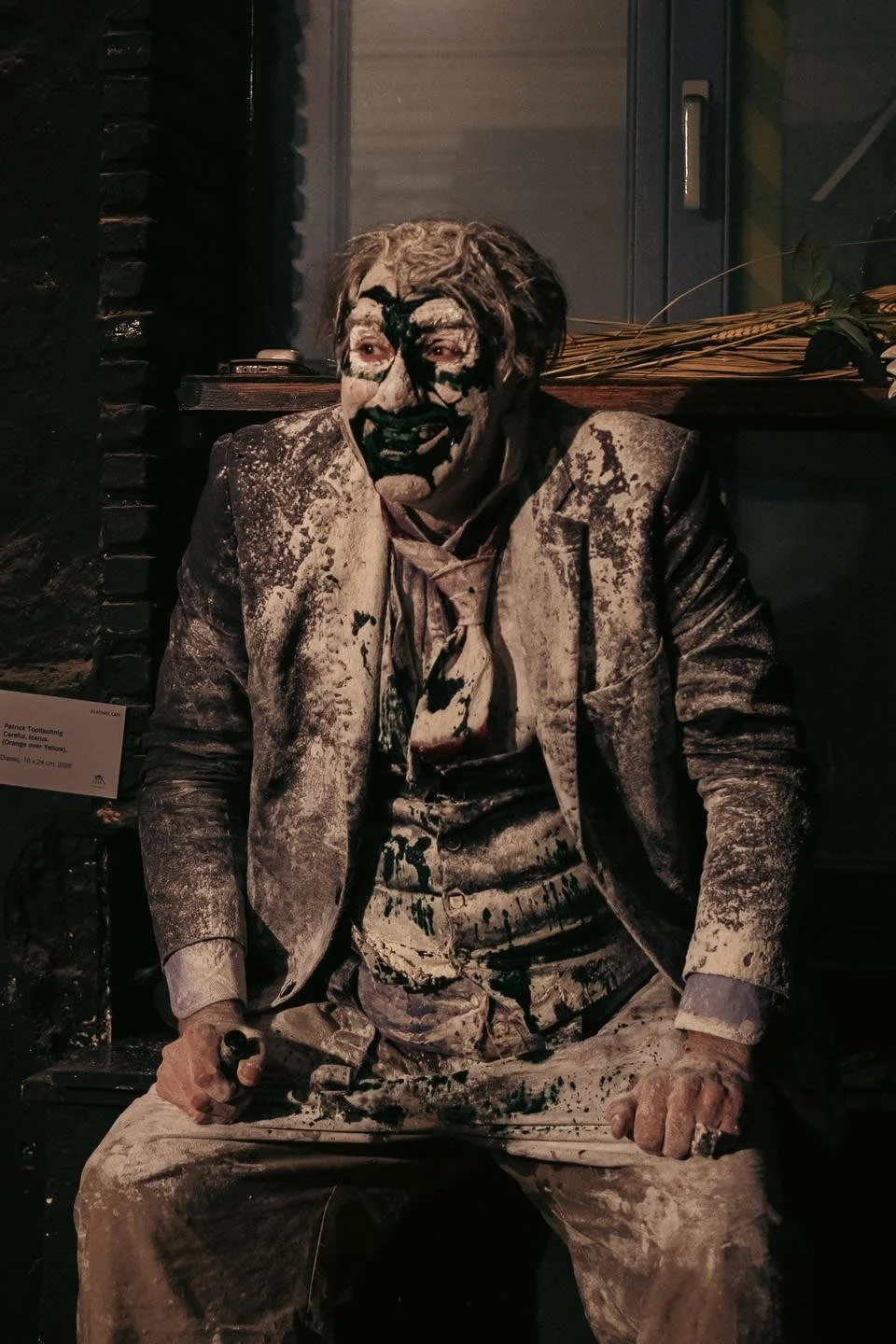
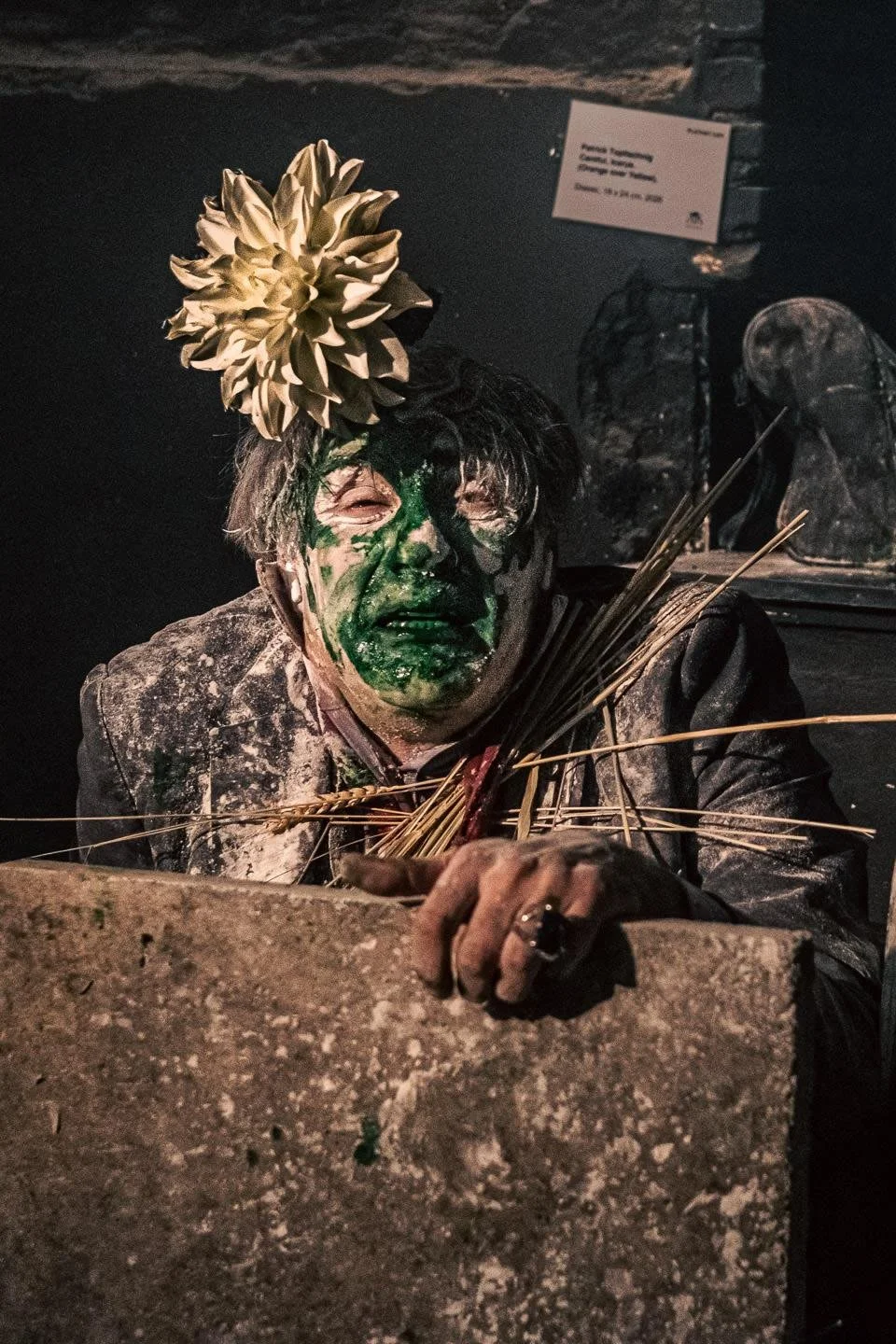
Live performance composed of twenty consecutive monologues performed by a single actor. Moving through different stages of human life.
In Victor Hugo's novel The Hunchback of Notre-Dame, Ananké (an ancient Greek word meaning "fate" or "necessity") is a mysterious word carved into a dark cathedral wall. Hugo claimed this single word inspired his entire tragic story about inescapable doom, human suffering, and blind destiny.
The performance unfolds as a meditation on language as the invisible architecture of human existence. Through twenty consecutive short performative monologues, Ananké composes a journey in the space through language and human experience. Beginning with the first inarticulate syllable of a child and ending with the wisdom of an elderly gardener, the performance moves from one voice to another as they traverse memory, love, work, loss, solitude, and beauty. Each monologue illuminates a different use—or failure—of language, revealing both the absurdity and the wonder of human existence. Rather than presenting twenty separate characters, it proposes a single consciousness passing through different stages of life, where language is gradually acquired, mastered, distorted, institutionalised, forgotten and finally released.
The spoken monologues are accompanied by four simultaneous video projections—two on each side of the performance space—forming a fragmented visual landscape drawn from my recent moving-image works. The projections do not illustrate the texts; instead, they create an autonomous visual memory that intersects with the live voice. Together, image and speech construct a polyphonic environment in which biography dissolves into a shared human condition.
The work moves between humour and tragedy, intimacy and estrangement, exposing the fragile distance between words and experience. A child's first encounter with speech, the fractured language of dementia, a solicitor's impersonal divorce document, a prison confession, medical reports, books of etiquette, newspaper headlines, recipes, memories of love, the isolation of migration, the joy of music without sight, statistical records, fragments of Shakespeare, homelessness, cosmetic surgery and the quiet wisdom of an ageing gardener all become different registers of the same human voice. Each attempts to give shape to experience, and each inevitably reveals the limits of language in containing the complexity of existence.